1. Maximum build size of the metal 3D printer: 250 x 250 x 325 mm;
2. 3D printing layer thickness: 0.02 mm – 0.04 mm;
3. Achievable 3D printing accuracy: typical accuracy ±0.02–0.05 mm (accuracy depends on geometry and varies with part size, 3D printing orientation, material and post-processing method);
4. Post-processing: high-temperature annealing, polishing, welding and other processing;
3D Printing Material Properties
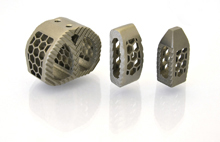
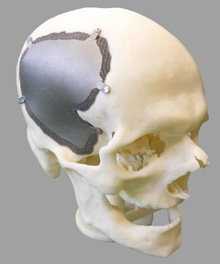
The 3D printing metal powder titanium alloy Ti64 is a well-known lightweight alloy characterized by excellent mechanical properties and corrosion resistance, plus low specific gravity and biocompatibility. This material is suitable for many high-performance engineering applications, such as in aerospace and motorsport, and can also be used to produce biomedical implants (note: statutory approval requirements must be met where applicable).
Material Data
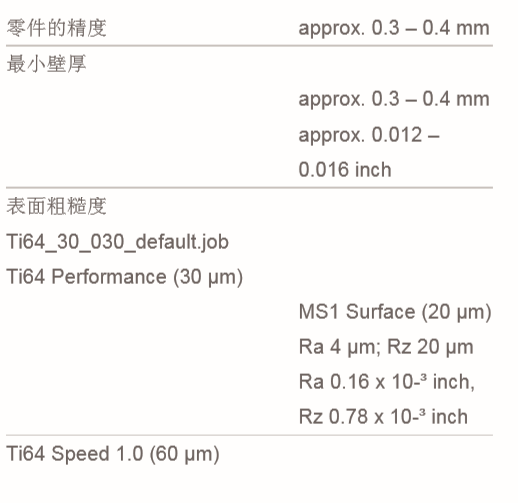
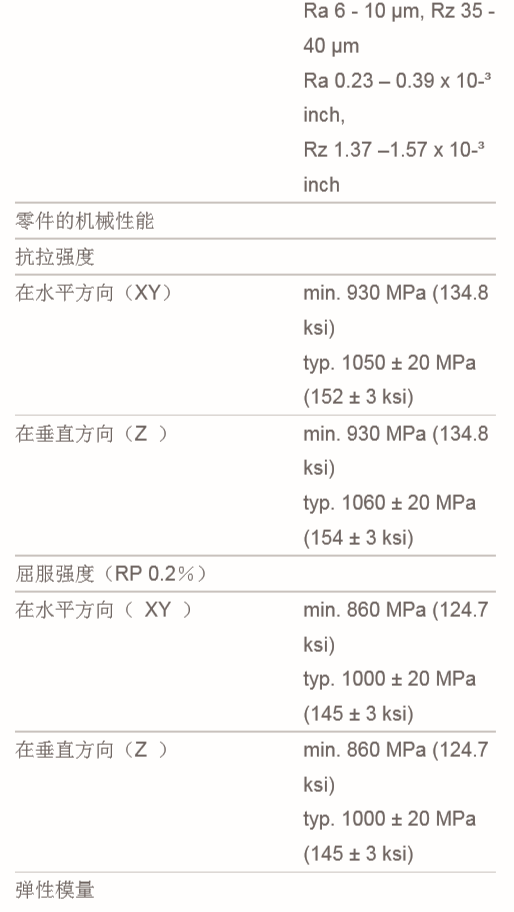
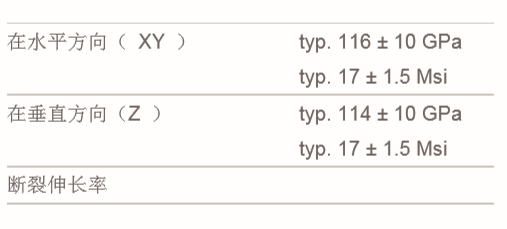
*Notes:
1. Per Annex D of ISO 6892-1:2009 (B), proportional test pieces, tensile test with a diameter of 5 mm (0.2 in) in the neck region and an original gauge length of 25 mm (1 in).
2. Samples were treated at 800 °C (1470 °F) for 4 hours in an inert argon atmosphere. The mechanical properties shown are minimum values, indicating that the mechanical characteristics exceed the minimum required material specification standard, ASTM F1472-08. By meeting these minimum values, the specification standards ASTM B348-09 and ISO 5832-3:2000 are also satisfied.
3. Vickers hardness (HV) measured on a polished surface. Please note that measured hardness can depend significantly on how the sample has been prepared.

*All values are taken from documentation provided by the manufacturer of this specific material. No claim is made as to the accuracy of these data, since every individual application may vary. If you have any questions, please contact the manufacturer for product-specific information.