3D Printing Technical Specifications
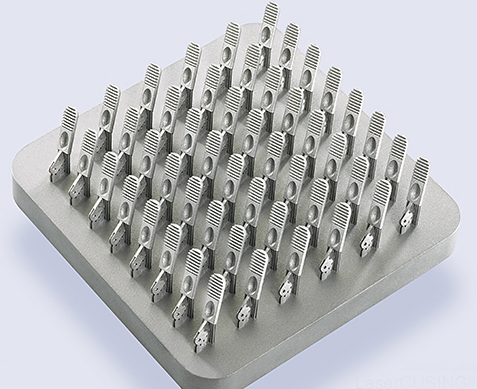
1. Maximum build size: 298 x 185 x 203 mm;
2. Layer thickness: 0.016 mm – 0.029 mm;
3. Achievable accuracy: typical accuracy of ±0.025–0.05 mm per 25.4 mm of part dimension; accuracy may vary with modeling parameters, part geometry and size, part orientation and post-processing.
4. Post-processing: workpieces can be painted, electroplated, drilled and bonded;
3D Printing Material Properties
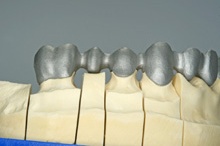
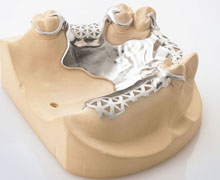
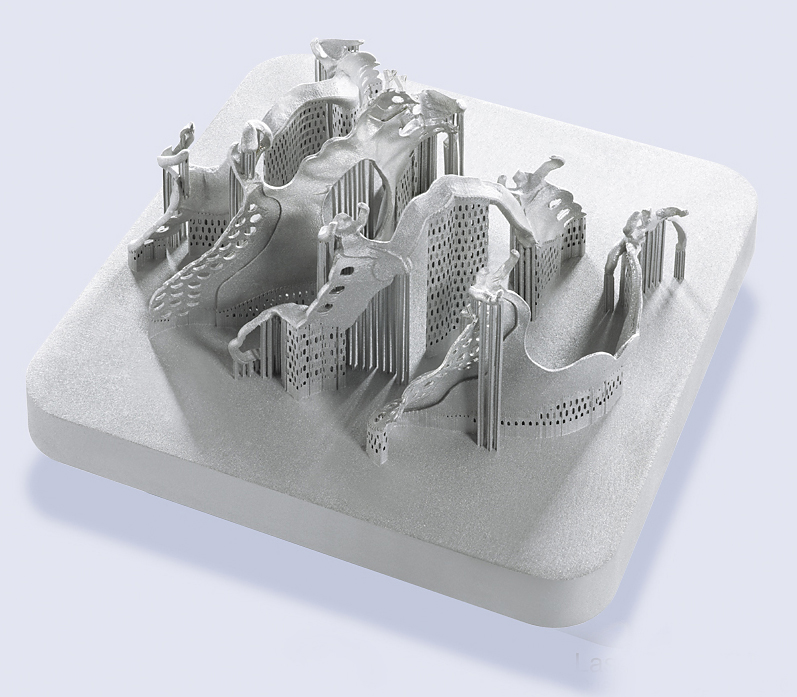
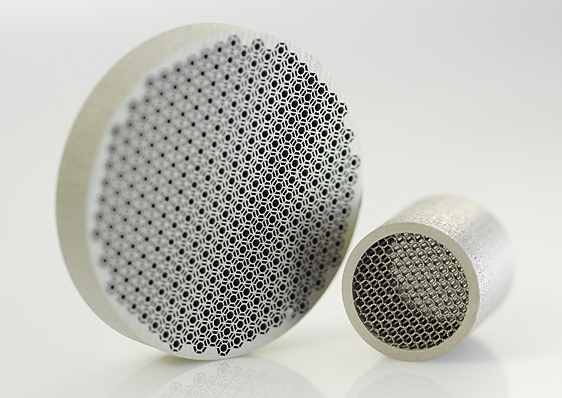
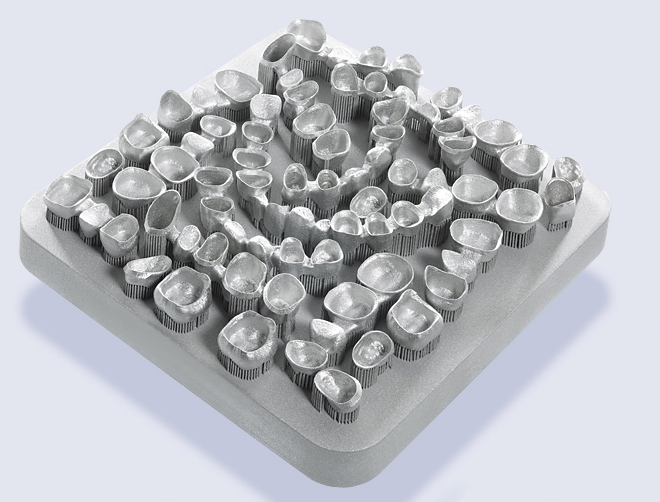
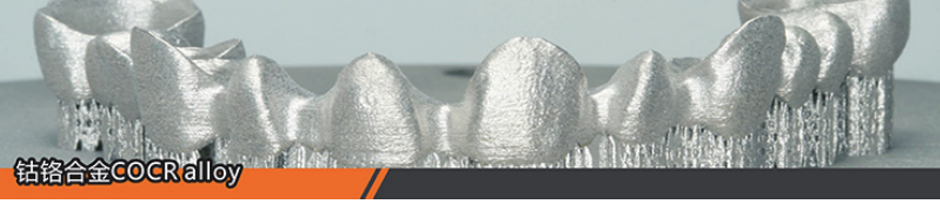
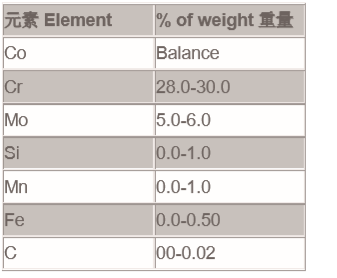
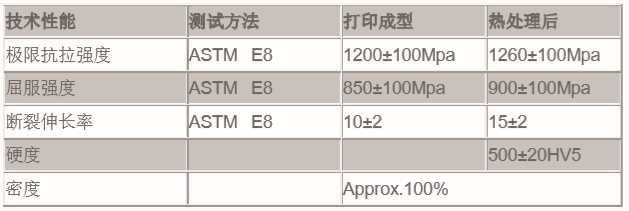
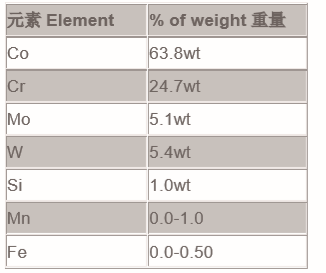
The 3D printing metal powder CoCrMo cobalt-chromium-molybdenum alloy is a metal material with high temperature resistance, high strength, high corrosion resistance and good elasticity, widely used for thin, delicate components. The 3D printing metal powder EOS CobaltChrome SP2 cobalt-based metal-ceramic alloy is a porcelain-fused-to-metal (PFM) material for dental restorations (crowns, bridges, etc.). It is CE0537 certified, and technical and material data are handled in accordance with EN1641 / EN ISO 22674.
Material Data — CoCrMo Cobalt-Chromium-Molybdenum Alloy Chemical Composition
(Ni-free alloy; this chemical composition is suitable for biomedical applications)
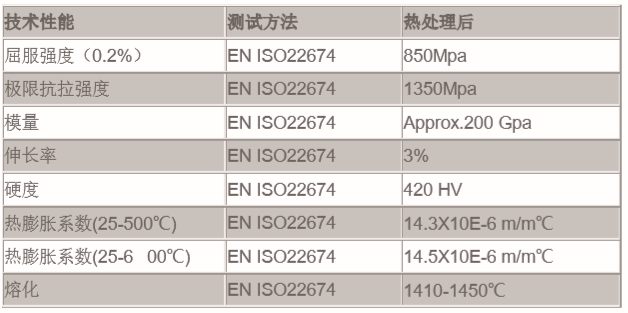
Mechanical Properties
EOS CobaltChrome SP2 Cobalt-Based Metal-Ceramic Alloy — Chemical Composition
(Free of Ni, Be and Cd; this chemical composition is suitable for biomedical applications)
Mechanical and Thermal Properties