3D Printing Materials
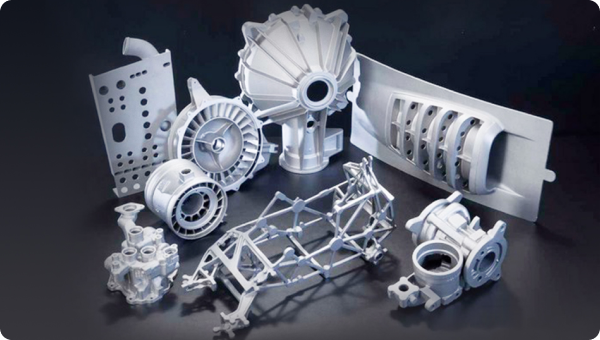
3D printer consumables such as nylon, flexible and rigid photosensitive resin, heat-shrinkable ABS, PC engineering plastics, 3D printing metal powder, 3D printing soft rubber, silicone, transparent materials, ceramics, stainless steel, mold steel, high-temperature nickel alloys, titanium alloys, paraffin and gypsum composites. We analyze and study the different needs of customers across industries to select and apply the right 3D printing materials and technologies. Typical 3D-printed part models can be applied quickly in almost every industry. Typical applications include concept models, validation prototypes and rapid tooling, ergonomic studies, visual analysis, form and function testing, functional testing and engineering evaluation.