3D Printing Technical Specifications
1. Maximum build size of the metal 3D printer: 250 x 250 x 325 mm;
2. 3D printing layer thickness: 0.02 mm – 0.04 mm;
3. Achievable 3D printing accuracy: typical accuracy ±0.02–0.05 mm (accuracy depends on geometry and varies with part size, build orientation, material and post-processing method);
4. Post-processing: high-temperature annealing, polishing, welding and other processing;
MS1 Mold Steel 3D Printing Material Properties
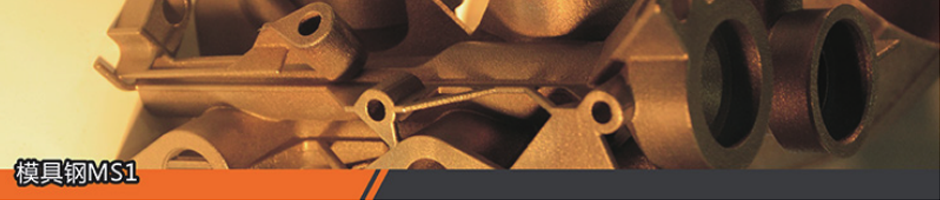
The 3D printing metal powder mold steel MS1 has a chemical composition corresponding to US classification 18% Ni Maraging 300, European 1.2709 and German X3NiCoMoTi 18-9-5. This steel is characterized by very good mechanical properties and is easily heat-treated. A simple thermal age-hardening treatment is used to obtain excellent hardness and strength.
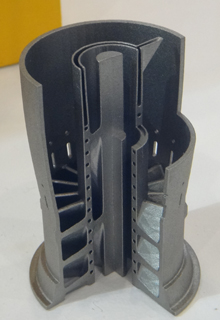
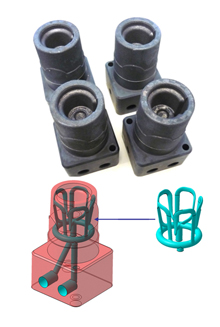
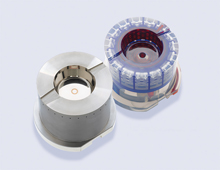
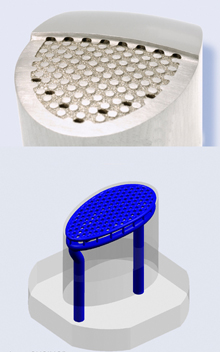
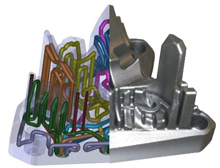
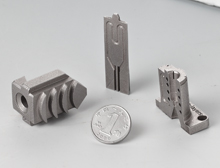
3D-printed molds are mainly used for conformal cooling channels, molds with profiled cooling channel inserts, and sliders, with typical applications in precision injection molds and die-casting mold manufacturing. They offer clear, practical advantages:
1. Greatly reduce manufacturing costs by aligning the mold design cycle with the product design cycle, cutting time and material consumption and thereby improving overall production efficiency;
2. Effectively reduce residual stress, prevent product warpage and deformation, and ensure dimensional accuracy;
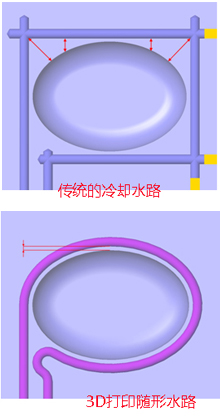
3. A defining feature of 3D printing is that there are no shape constraints, even for complex internal features and channels — in other words, conformal cooling channels in a mold can be designed in any shape,
greatly reducing cooling time;
4. Compared with traditional mold manufacturing, 3D-printed molds have a longer service life (millions of shots) and higher production efficiency (production cycles shortened by 30%–70%);
3D-Printed Mold Workflow
Optimized mold design → Mold flow analysis → 3D printing feasibility analysis → Laser sintering 3D printing → High-temperature tempering, polishing and other follow-up processing;
Material Data

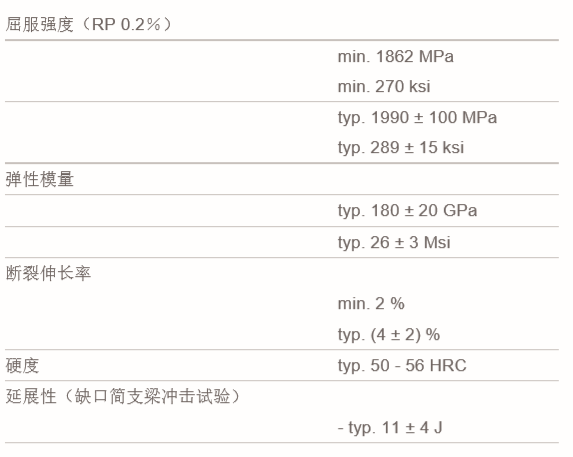
1. Hardness (typical). 33–37 HRC (typical). 50–56 HRC. Ductility (notched Charpy impact test) (typical). 45 ± 10 J (typical). 11 ± 4 J
2. Per Annex D of ISO 6892-1:2009 (B), proportional test pieces, tensile test with a diameter of 5 mm (0.2 in) in the neck region and an original gauge length of 25 mm (1 in).
Rockwell hardness (HRC) measured on a polished surface per EN ISO 6508-1 [7]. Please note that measured hardness can depend significantly on how the sample has been prepared.
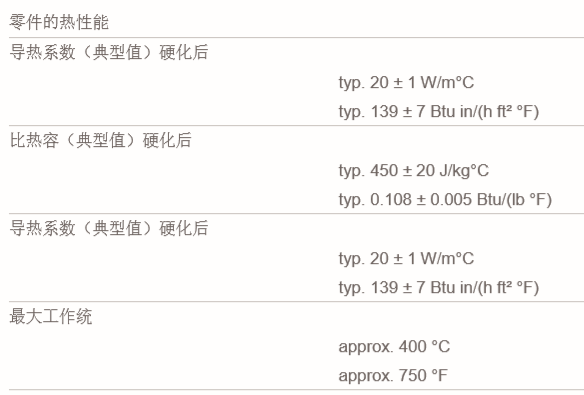
*All values are taken from documentation provided by the manufacturer of this specific material. No claim is made as to the accuracy of these data, since every individual application may vary. If you have any questions, please contact the manufacturer for product-specific information.