3D Printing Technology

A technology that builds objects layer by layer from digital model files, using bondable materials such as metal powder or plastics.

01

Design Sketch

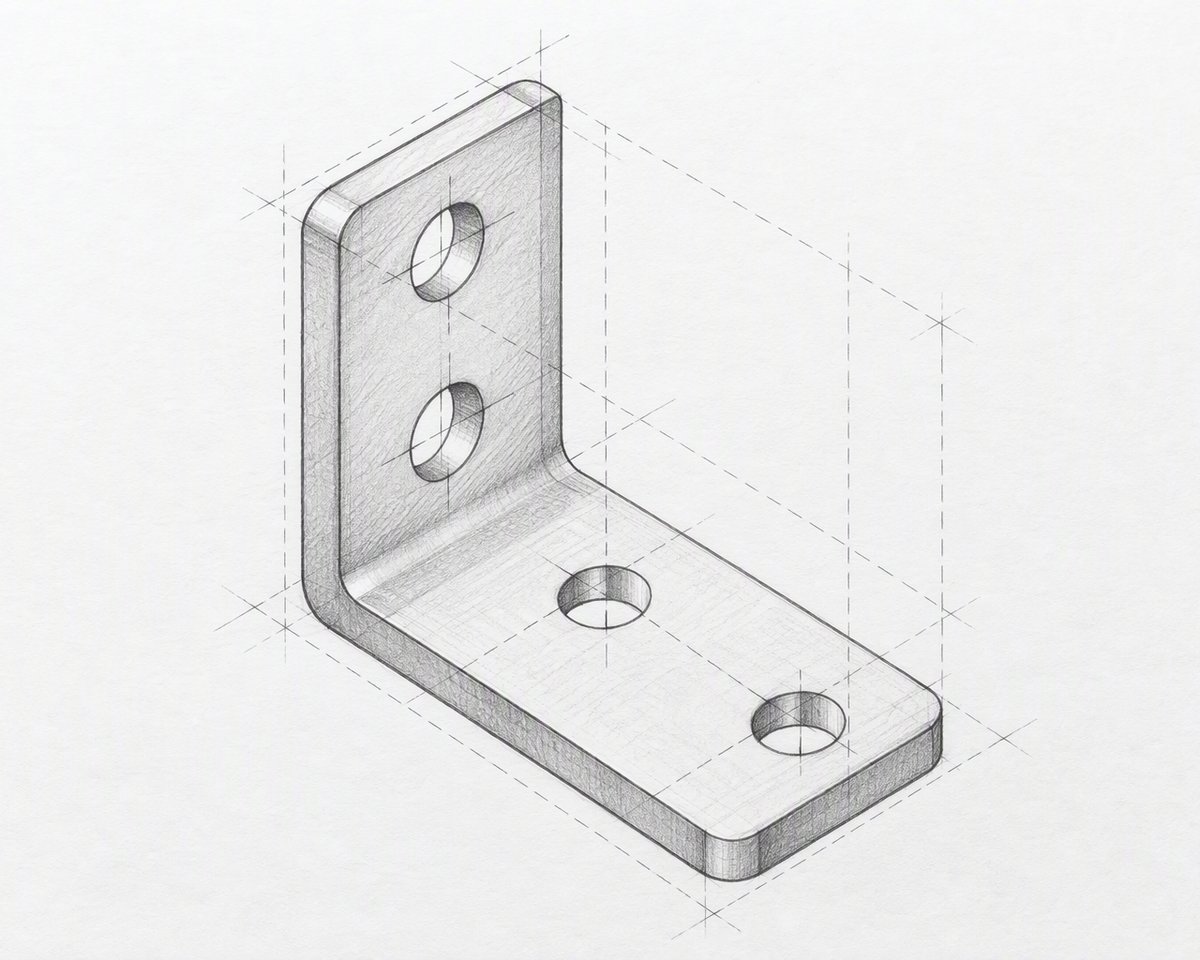
Start from an idea and a hand-drawn sketch.
Send us a concept, a reference part or a rough drawing. Our engineers review it, confirm the key dimensions and material expectations, and turn it into a clear design brief before any modelling begins.

02

Generate 3D File

Turn the sketch into a 3D model file.
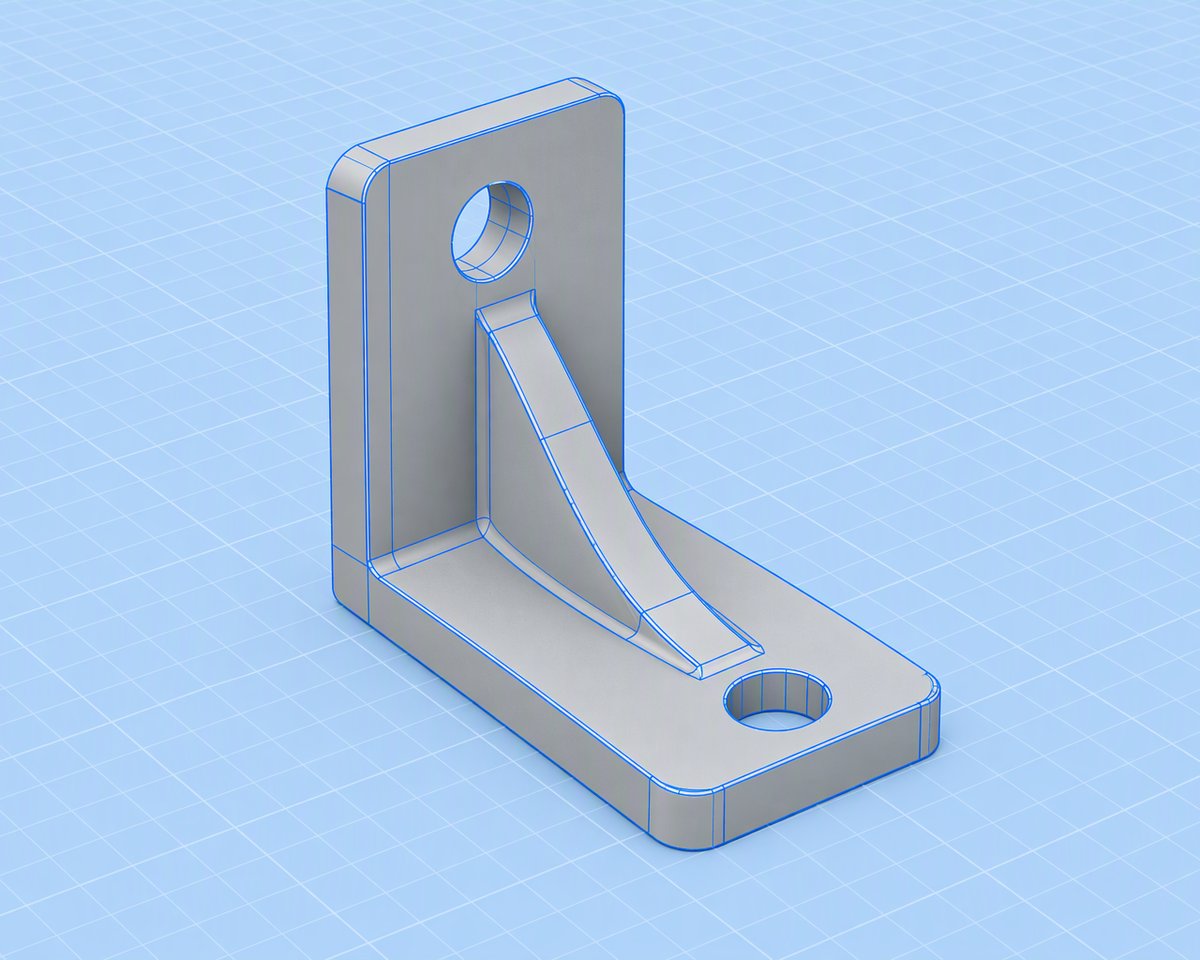
We rebuild the concept as a fully parametric CAD model in STL / STEP format, checking wall thickness, draft angle and assembly clearance so the part is ready for the next stage.

03

Generate Slice File

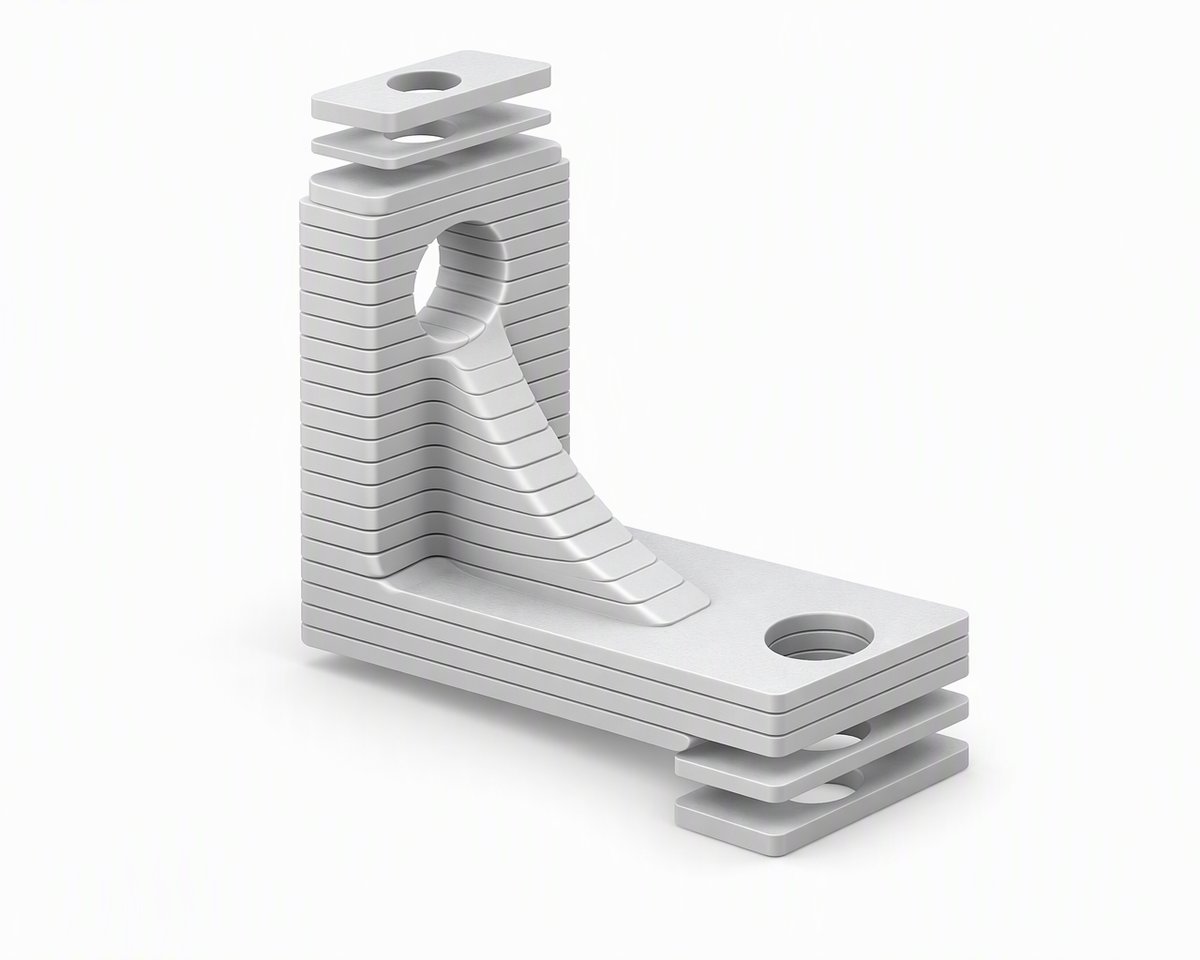
Slice the 3D model into printable G-code.
The model is oriented for the best surface finish and strength, supports are placed automatically, and the print parameters - layer height, infill and temperature - are tuned to the chosen material.

04

Generate Print Component

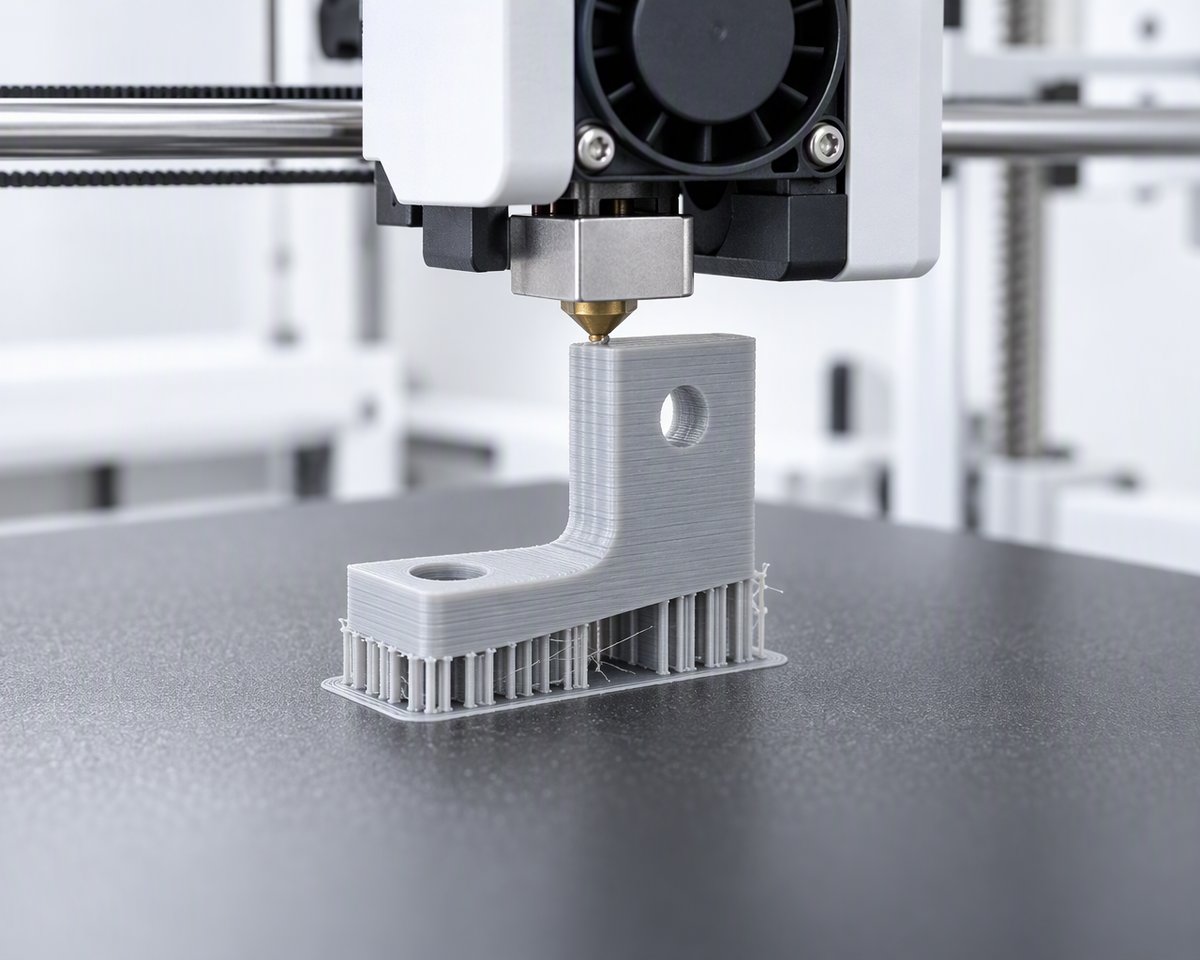
Build the part from G-code, supports added automatically.
The machine runs the sliced toolpath layer by layer, with supports generated automatically and monitored throughout the build so the geometry stays accurate from the first layer to the last.

05

Print Component

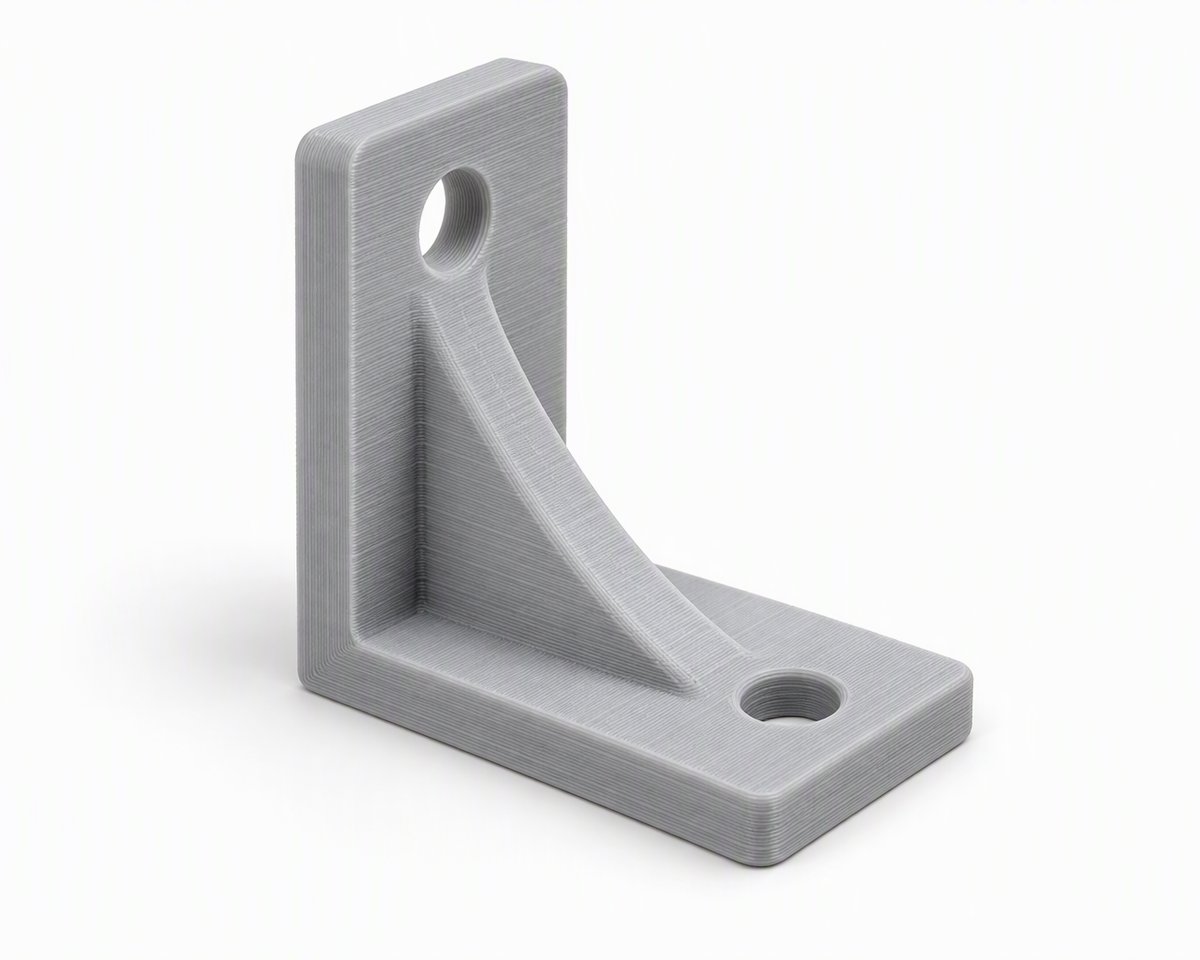
Send it to the 3D printer to print.
The finished part is cleaned, supports removed and inspected against the drawing, then packed and shipped - from a single prototype to a batch of thousands.
01 / 5
Design Sketch
Generate 3D File
Generate Slice File
Generate Print Component
Print Component

Quick Solutions

  • 1–50+

    Number of Parts

  • 1–7

    Business Days

  • $45+

    Part Printing

Contact Us

3D Model Design Elements

Dimensions

In our additive services, we control 3D-printed parts as precisely as possible within the minimum tolerance range and maximum printable size. The maximum print size is:
810X620X590mm (FDM)
350X350X300mm (SLA)
123X64.5X100mm (DLP)
500X500X400mm (LAM)

Material

We provide different machining materials to meet the requirements of rapid additive technology. We offer the physical and chemical properties of different machining materials: resolution, transparency, hardness, feel, wear resistance, strength, temperature resistance and water resistance. These materials include:

FDM
Engineering plastics such as PLA, ABS, PP, PA, PC and PET; TPU rubber, PMMA, flame-retardant ABS, etc.

SLA / DLP
PC-like resin (transparent), ABS-like resin (white), PP-like resin (transparent); black wax, white wax, red wax, blue wax

LAM
Stainless steel 304L / 316L / 430L / 420 / 440A; tool steel A6 / D2 / H13; cobalt alloys; cobalt-chromium-molybdenum alloy, stellite; superalloys; nickel alloys 600 / 625 / 713c

Solutions

Samdi Labs is committed to delivering high-quality precision parts. This depends on the forming process, precision option, layer thickness and minimum feature size you choose.
SLA (stereolithography 3D printing)
Standard: layer thickness 0.1 mm Advanced: layer thickness 0.05 mm
FDM (fused deposition modeling 3D printing)
Standard: layer thickness 0.3 mm Advanced: layer thickness 0.2 mm Ultra-high: layer thickness 0.1 mm
DLP (digital light projection 3D printing)
Standard: layer thickness 0.1 mm Advanced: layer thickness 0.05 mm
LAM (metal deposition milling 3D printing)
Standard: layer thickness 0.03 mm Advanced: layer thickness 0.02 mm

Machining Tolerance

For well-designed parts, machining tolerances can reach:
X/Y axis: +/-0.12 mm; Z axis: +/-0.03 mm (FDM)
X/Y axis: +/-0.05 mm; Z axis: +/-0.01 mm (SLA)
X/Y axis: +/-0.025 mm; Z axis: +/-0.01 mm (DLP)
X/Y/Z axis: +/-0.03 mm (LAM)

Surface Finishing

Samdi Labs provides Grade A and Grade S surface precision treatment, plus post-processing such as surface coating and electroplating in common colors. If you have special treatment requirements, we can also customize the processing to meet your expectations.